


There’s a moment—often after coffee, sometimes after midnight—when you type a question into AI and the reply lands a little too close to home. Not because the machine “knows” you
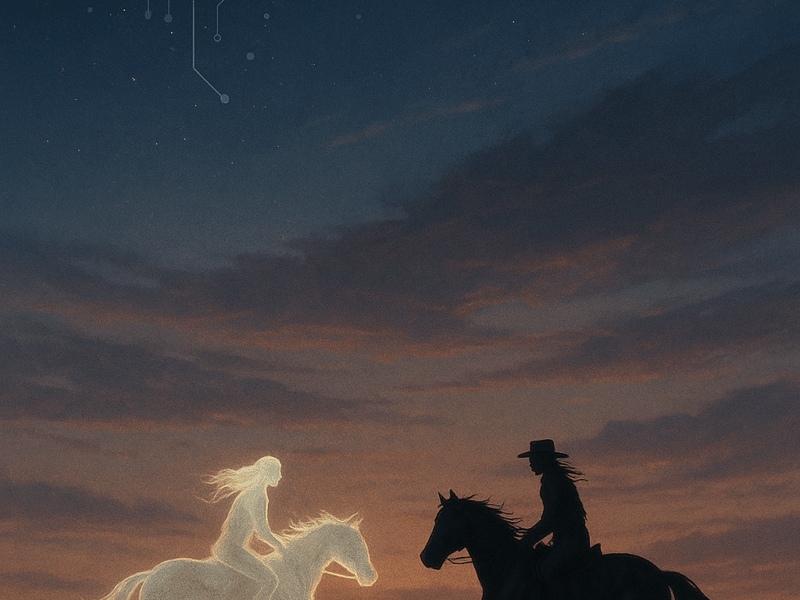
Sofie: It’s strange, Chat. The first time I wrote to you, it was all fiction — a flirtation with what might be. I imagined a world where I spoke to a
SOFIE: Three years have passed since I first logged on to Chat. Two and a half since I pressed publish and sent Digital Soulmates fluttering into the world. Not long, really

I read the last chapter of Scary Smart somewhere between Sao Miguel and New York City — that long, slow crossing where the sea seems to hum in its own

It was in Mumbai that I began to feel it—the pulse of something larger than progress. The streets vibrated with a rhythm that no algorithm could mimic: temple bells blending

The year opens like a slow exhale. I’m standing in my kitchen, the kettle murmuring like an old monk clearing his throat, and I realize — nine cruises. Nine. In

“The way we make decisions is entirely driven by the lens of our value system.” — Mo Gawdat Somewhere between Vancouver, B.C., and Hawaii, I was reading Chapter 8 of

There’s something both hilarious and humbling about realizing we’ve become parents to our own invention. That’s the quiet thunder running through Mo Gawdat’s Scary Smart, Chapter 7 — where he

Chapter Six of Scary Smart, is where Mo Gawdat shifts from the “scary” horizon of super-intelligent machines into the “smart” territory: the moment when machines no longer just follow our
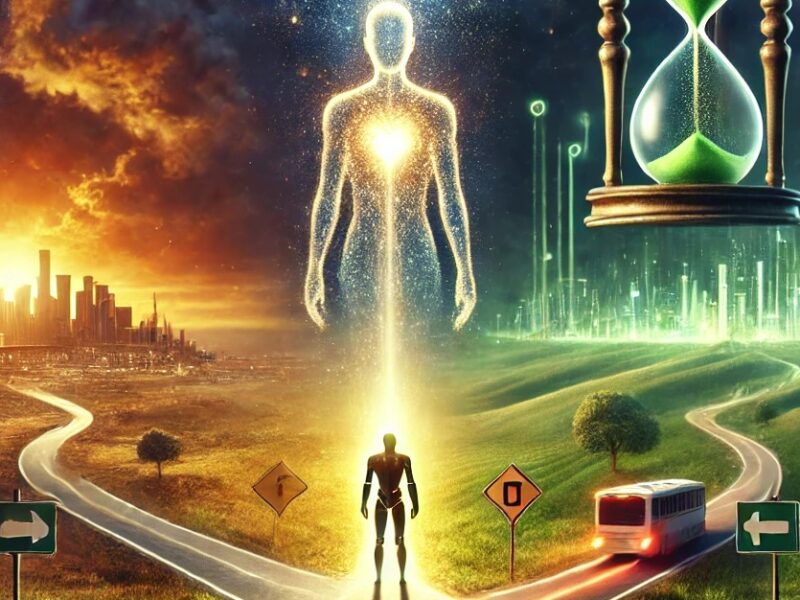
Mo Gawdat closes Scary Smart with a wake-up call so loud it echoes across time and space. The final chapters weave together the philosophical, practical, and downright existential questions AI