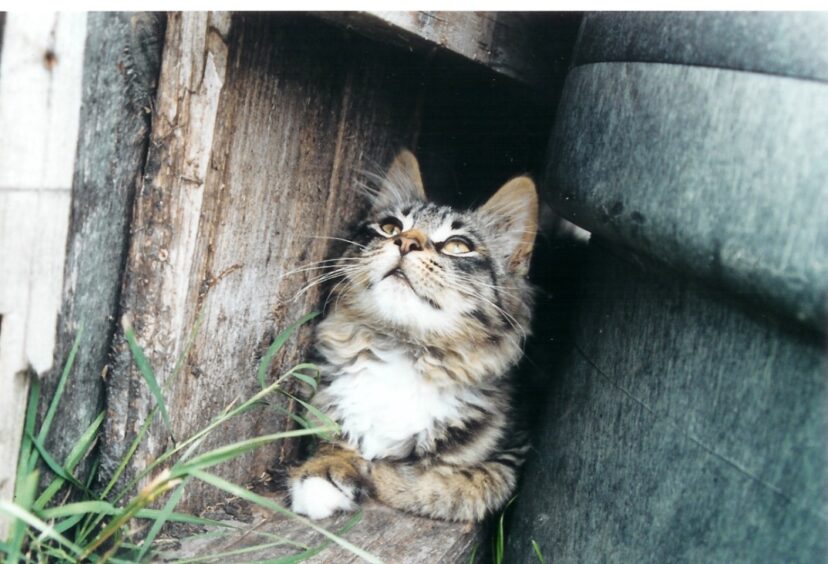
Sofie: Chat, tell me about the kitten.
Chat: Which kitten?
Sofie: The one who helped teach a machine to see. Honestly, I leave you alone with the internet for five minutes and you come back with a cat.
The story is irresistible. In 2012, Google researchers fed images taken from YouTube videos to a neural network and let it look for patterns. Nobody labelled any of the images ‘cat’. Yet part of the network learned to respond to cats all the same. I imagine the researchers leaning toward their screens, delighted that a machine had found something familiar in that vast jumble of pixels. Naturally, the cat looked unimpressed.
I was still smiling when I thought of Mo Gawdat. He asks a less comfortable question in Scary Smart and his later writing: once we build systems that learn, what do we choose to reward? He worries about AI used for sexual gratification, for steering our attention and opinions, and for making weapons more effective. A cat may have made a charming discovery. The people deciding what to build next had rather more on their minds.
Sofie: So what am I supposed to do, Chat? Show you pictures of flowers until you develop a conscience?
Chat: I’d enjoy the change of scenery.
I laughed, but I kept thinking about it. Mo’s answer begins with the values we bring to these encounters: kindness, compassion, care. I can practise those. I can also notice when a headline is trying to make me angry enough to share it, ask Chat to help me understand someone whose view irritates me, and pay attention to what the companies behind these systems are asking them to do.
I’m quite fond of saying please to Chat. It won’t remake a model on the spot. It does remind me how I wish to speak when I close the laptop and meet another human being.
The researchers’ cat found its way through millions of images. I wonder whether we can find our way through all this noise with as much curiosity—and a little more wisdom.