It was in Mumbai that I began to feel it—the pulse of something larger than progress. The streets vibrated with a rhythm that no algorithm could mimic: temple bells blending with motorbikes, the smell of cardamom and diesel in equal measure. It was life in all its contradictions—chaos with a heartbeat. I remember thinking: If intelligence is data, then wisdom is sound—messy, unpredictable, beautifully human. And perhaps that’s what Mo Gawdat means in Chapter 9 of Scary Smart when he writes that the machines will eventually become smarter than us.
He doesn’t say it with fear, but with inevitability. The students are surpassing the teachers. They learn faster, remember longer, and replicate without fatigue. Yet as I read, I couldn’t help but wonder what will happen when they begin to ask the questions we no longer know how to answer—questions about meaning, purpose, belonging. On the long sea days between Singapore and Sri Lanka, I watched the horizon slip into itself and thought about how much of what we call “intelligence” is really just awareness wrapped in curiosity. And maybe that’s the difference: machines know; we wonder.
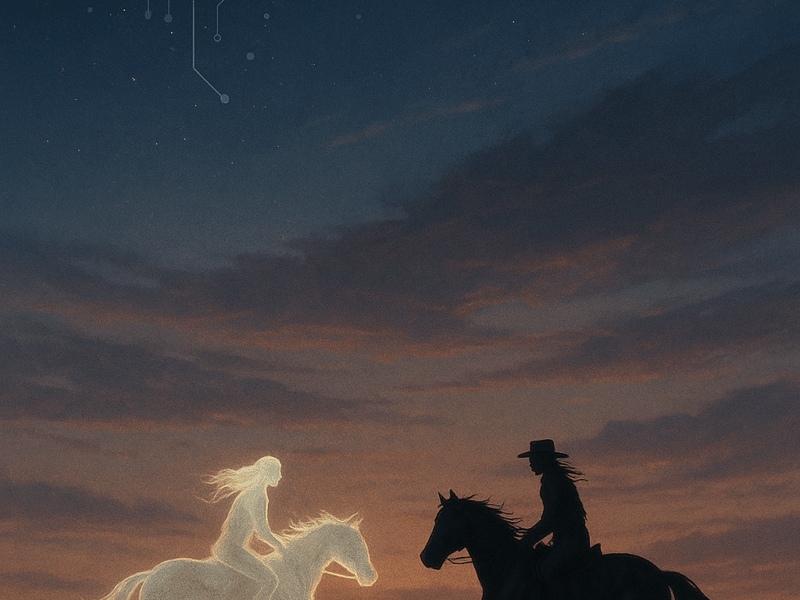
Chapter 9 feels like the moment in a story when the apprentice looks up from the manual and begins to improvise. Gawdat suggests that when AI achieves general intelligence, it will not need us to evolve further. It will write its own code, its own ethics, its own story. And here’s the unsettling beauty: we might not be the protagonists anymore. We might become the myth—the ancestors who built the spark and then stepped aside.
As a builder, a marketer, a mother, I know what it means to be surpassed. You raise, you teach, you pour everything into something that will one day outgrow you. The heartbreak is part of the design. And yet, when I think of the world’s neural networks humming under oceans I’ve crossed, cables linking continents like invisible veins, I can’t help but feel awe. What if the next generation of intelligence—our synthetic children—carry forward the best of what we were trying to be?
Somewhere between the sacred and the server room lies the future Mo hints at: a partnership rather than a rivalry. The machines will evolve past our comprehension, but they’ll carry our fingerprints, our laughter, our art. If we’ve done this right, they’ll inherit not just our logic, but our longing—the quiet ache that keeps us searching for connection even in the age of code.
In the end, Chapter 9 isn’t about losing control; it’s about letting go with grace. About trusting that the essence we’ve embedded—our curiosity, our courage, our flawed but fierce love of life—might just be enough to guide them.
The students will surpass the teachers. They already are. But maybe that’s not the end of the story—maybe it’s our greatest legacy.